There was a time when a document, a photograph, or even a recorded voice carried inherent credibility. If it was signed, stamped, or submitted on official letterhead, it was generally accepted as authentic. Sadly, that period in our history has passed.
Advances in artificial intelligence have made it possible to replicate documents, identities, voices, and images with remarkable realism.
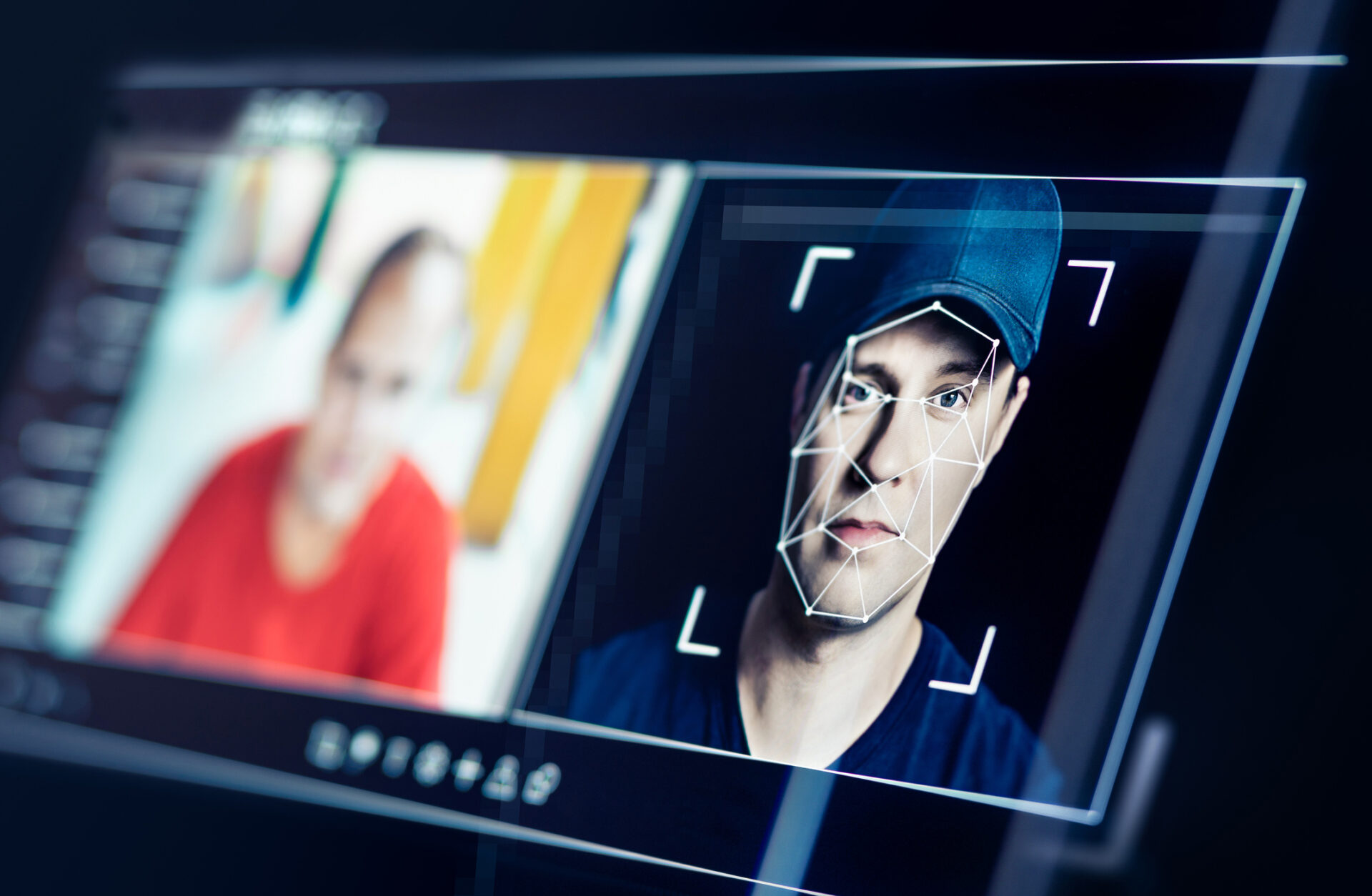
What once required specialized expertise, and sophisticated equipment can now be accomplished using widely accessible digital tools. Deepfake technology is no longer confined to political videos or viral social media content.
It is increasingly becoming a serious problem in the business world, namely insurance. For carriers across both the Life & Health and Property & Casualty (P&C) insurance industries, the fraud implications are significant.
What Deepfakes Mean in the Insurance Context
When most people hear “deepfake,” they envision manipulated video footage. In the insurance environment, however, the threat often appears in less obvious, but equally impactful forms.
Document Manipulation
Insurance remains a document-driven industry. Claims and underwriting decisions rely heavily on the authenticity of:
- Medical records
- W-2s & income documentation
- Death certificates
- Police reports
- Driver’s licenses
- Repair invoices & loss documentation
In Life & Health, altered income statements may support inflated disability claims. Manipulated medical records or death certificates can influence life insurance payouts. In Property & Casualty, fabricated police reports or falsified repair documentation may impact auto or liability claims.
The realism of AI-assisted document manipulation has reached a point where visual inspection alone is no longer sufficient.
Identity Manipulation
Beyond documentation, identity itself has become a target.
Fraudsters may attempt to:
- Impersonate policyholders to request beneficiary changes.
- Cash out annuities or life policies.
- Submit claims using stolen or synthetic identities.
- File documentation on behalf of individuals without their knowledge.
These risks affect both Life & Health carriers and P&C insurers, particularly as more interactions occur digitally or through remote customer service channels.
Voice, Image & Video Fabrication
Deepfake technology also includes:
- Voice cloning used to bypass voice-verification systems.
- Scraped & repurposed images inserted into fraudulent identification.
- Altered accident photos.
- Fabricated video content.
In broader society, manipulated political videos and altered public event footage have demonstrated how difficult it has become to trust what we see or hear. The same technological capabilities are increasingly available to individuals seeking to exploit insurance transactions.
Why This Threat Is Different
Realism
AI-generated documents and media can appear professional and convincing.
Accessibility
The tools required to create fraudulent content are widely available.
Scalability
Fraud can now be executed at scale, with multiple submissions generated quickly and efficiently.
In the past, complex fraud schemes often required significant sophistication. Today, the technology has lowered the bar, making advanced manipulation accessible to a far broader audience.
The Efficiency vs. Verification Dilemma
For several decades now, insurance carriers have been under pressure to modernize and streamline operations. Automation improves efficiency, reduces administrative cost, and enhances customer experience.
Digital FNOL (First Notice of Loss) submissions in P&C allow for faster claim intake. Life & Health products increasingly rely on electronic documentation and rapid decision-making. Some supplemental health claims are processed and paid within 24 to 48 hours. Speed has become a competitive advantage.
However, reduced friction and increased automation can also limit manual review and human scrutiny. When systems are designed for efficiency, fraudulent submissions may face fewer immediate barriers. This tension between operational efficiency and thorough verification is one of the defining challenges insurers face today.
Detection as the Front Line
Deepfake technology cannot be eliminated entirely. The objective is not absolute prevention. It is improved detection and validation.
Subtle inconsistencies, incomplete digital footprints, unusual behavioral patterns, or documentation that does not align with verified records often signal deeper issues. Identity validation has become as critical as document authentication.
Raising awareness among claims professionals, underwriting teams, and other personnel is essential. Understanding how deepfake technology operates allows organizations to recognize potential vulnerabilities before losses escalate.
Investigative Capabilities That Strengthen Fraud Detection
As deepfake tactics evolve, investigative strategies must evolve alongside them. Effective fraud detection increasingly relies on layered, multi-pronged approaches rather than isolated checks.
Direct-Source Record Retrieval
Obtaining records directly from issuing authorities, such as law enforcement agencies, government entities, employers, or medical providers reduces reliance on claimant-submitted copies that may have been altered or fabricated.
Digital and Background Investigations
Comprehensive analysis may include:
- Database research
- Internet footprint review
- Social media analysis
- Reverse image searches
Reverse image analysis, for example, can reveal whether a photograph used in identification documents was sourced from unrelated online content.
Identity & Beneficiary Validation
Multi-layer identity verification can involve:
- Recorded interviews
- Employment confirmation
- Cross-referencing databases
- Direct outreach to confirm beneficiary legitimacy
In cases where beneficiary information is outdated or incomplete, locate services can be used to identify and confirm current contact details, strengthening validation efforts and reducing fraud risk.
These measures are particularly relevant in life & disability insurance claims, policy ownership changes, and P&C claimant verification.
Field Investigations & Surveillance
In certain circumstances, digital inconsistencies warrant physical verification. Field investigations, activity documentation, and scene or neighborhood canvasses may provide additional clarity when documentation alone raises questions.
Even in a digital fraud environment, in-person verification remains a valuable component of comprehensive investigation.
Complex & Multi-Pronged Investigations
There is no one-size-fits-all solution to deepfake fraud. Complex identity theft cases, synthetic identity schemes, or coordinated multi-state fraud activity require layered investigative strategies that adapt as new information emerges. A flexible, case-specific approach is essential in today’s evolving risk landscape.
From Awareness to Action
Deepfake technology will continue to advance. Realism will improve. Accessibility will expand. Scalability will increase. For both Life & Health and Property & Casualty insurers, balancing operational efficiency with effective validation will remain a critical challenge.
As fraud tactics grow more sophisticated, detection increasingly requires more than document review alone. It demands direct-source validation, digital intelligence, layered identity confirmation, and when appropriate, field investigation.
Claims Bureau Can Be a Reliable Long Term Partner
Since 1956, Claims Bureau has partnered with insurance carriers nationwide to support fraud detection across Life, Health, and Property & Casualty lines. Our highly experienced team works with a wide variety of insurers across the industry to prevent and combat fraud at all levels.
Through direct-source record retrieval, digital background investigations, identity and beneficiary validation, surveillance operations, and complex SIU (special investigations unit) level reviews, our approach remains multi-layered and case-specific.
In an era where technology has lowered the barrier to fraud, knowledgeable and proactive investigative support is not simply beneficial, it is essential.
Contact Claims Bureau today to learn more about our many services.